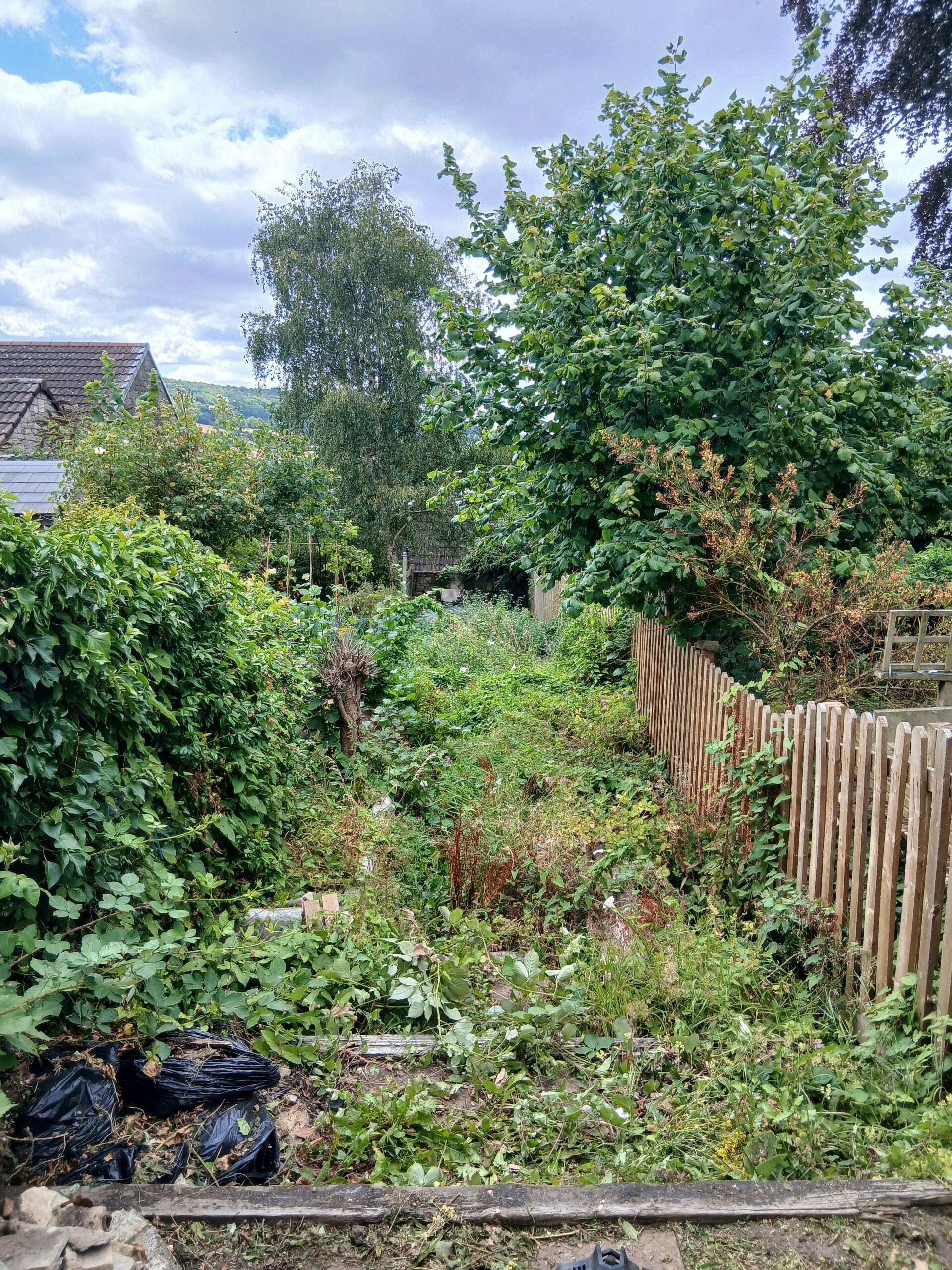
Seasonal Garden Tidy Up: What Your Garden Needs
A garden rarely becomes untidy all at once. Grass grows faster after a spell of rain, weeds appear between paving, borders lose their shape and hedges gradually take over paths and windows. A well-timed **seasonal garden tidy up** brings everything back under control before small jobs turn into a demanding weekend of clearing, cutting and lifting.
For busy households, a tidy garden is about far more than appearances. It creates a cleaner, more welcoming setting for relaxing, entertaining and family time, while giving lawns, plants and boundaries the care they need to stay healthy. The right work at the right time also protects the investment you have made in your home and outdoor space.
## What a seasonal garden tidy up should achieve
A proper tidy-up is not simply a quick mow and a few bags of green waste. It is a thorough reset, tailored to the time of year and the condition of the garden. The aim is to restore clear edges, healthy growth and a cared-for finish without removing plants or cutting back growth that should be left in place.
In most gardens, this means bringing the lawn back to a neat, even standard; removing weeds from beds, paths and patios; cutting back tired foliage; shaping shrubs where appropriate; and clearing fallen leaves, branches and debris. Hedges and boundaries are assessed too, because they have a major effect on how tidy a property looks from the road and from the house.
The details matter. Crisp lawn edges can make an ordinary garden feel smarter. Clearing leaves from turf helps prevent damp patches and fungal problems. Removing weeds before they set seed saves a great deal of work later on. A tidy-up should leave the garden looking pristine, but it should also give it the best possible conditions for the next season.
## Spring: prepare for fresh growth
Spring is when many gardens reveal the effects of winter. Lawns can look thin or waterlogged, borders may be covered in old stems and weeds quickly take advantage of bare soil. This is the season to clear, assess and prepare rather than rush into heavy cutting.
A spring tidy-up often starts with leaf clearing, weeding and removal of winter debris. Perennial borders can be carefully cut back, with new shoots protected as they emerge. Dead or damaged branches should be removed from shrubs, while beds can be lightly cultivated and refreshed ready for planting.
Lawns deserve particular attention. Once the ground is not excessively wet and grass is actively growing, an initial cut at a higher setting begins to restore a neat appearance. Scarifying, aeration, feeding or overseeding may be worthwhile where a lawn is compacted, patchy or covered in moss. These treatments are not needed in every garden, but dealing with underlying issues in spring can make a visible difference by summer.
It is also a good time to look at the garden as a whole. Is a border struggling because it receives too much shade? Is a path becoming narrow because shrubs have outgrown their space? Are there areas that never get used? A seasonal clear-up can identify where regular maintenance will be enough and where a more considered [landscaping improvement](https://www.garden-kingpin.co.uk/showcase) could transform the space.
## Summer: keep the garden presentable and usable
Summer maintenance is about staying ahead of growth. Warm temperatures, sunshine and showers can make lawns, weeds and hedges grow quickly, particularly in Dorset and Somerset gardens with established soil and mature planting.
Regular mowing keeps the lawn dense and attractive, but the cutting height should be adjusted during dry spells. Cutting too short puts grass under stress and can leave it looking scorched. In prolonged hot weather, it is often better to mow less frequently and leave the grass a little longer.
Borders benefit from regular weeding, deadheading and light pruning. Removing spent flowers can encourage further blooms, while clearing weeds before they compete for moisture gives chosen plants more room to thrive. Paths, patios and decking should not be overlooked either. A build-up of weeds, leaf litter and soil can make hard surfaces appear neglected even when the planting is in good condition.
Hedge trimming is another key summer task, although timing matters. Before work begins, hedges should be checked carefully for active bird nests. Many formal hedges benefit from a light, precise trim in summer, helping them retain a smart shape without the need for severe cuts later. Fast-growing conifers may need more frequent attention to stop them blocking light or encroaching on neighbouring boundaries.
## Autumn: clear, cut back and protect
Autumn is often the most satisfying time for a garden tidy-up. Growth slows, leaves fall and summer planting begins to fade. A thorough clear now prevents the garden from looking untended throughout winter and makes the return to spring far easier.
Fallen leaves should be removed from lawns, paths, gutters around garden buildings and densely planted beds. Left in thick layers, they can smother grass, create slippery surfaces and harbour pests or disease. Healthy leaves can be composted where space allows, although diseased material is best removed rather than added to a compost heap.
This is also the time to cut back many tired herbaceous plants, lift annuals and clear vegetable beds after harvest. However, not every stem needs to be removed. Seed heads and ornamental grasses can provide structure and interest through winter, while some faded growth offers shelter for insects and other wildlife. The best approach depends on whether you prefer a sharply formal garden or a softer, more natural look.
Autumn lawn care can be especially valuable. Aeration relieves compacted soil after a busy summer, while autumn feed supports root growth without forcing soft top growth. Any bare areas can be repaired while the soil is still warm enough for seed to establish.
## Winter: maintain structure without overworking the garden
Winter gardens need less frequent cutting, but they still need care. Wind, rain and frost can leave branches scattered across lawns, expose roots and make paths unsafe. A winter visit focuses on tidiness, safety and the garden’s underlying structure.
This is a sensible time to remove dead wood, clear storm debris and cut back selected dormant shrubs. Hedges may need attention where they affect access, light or security, but heavy pruning should always suit the plant and the weather conditions. Pruning too early or during a hard frost can cause damage, so this is not a job to approach with a one-size-fits-all plan.
Winter also gives a clearer view of the garden’s layout. With leaves down and borders quieter, it is easier to see tired fencing, awkward planting, poor drainage and areas that lack purpose. For an overgrown or underperforming garden, this can be the ideal moment to plan a redesign, new patio, lawn improvement or planting scheme before the main growing season begins.
## When regular maintenance is better than occasional clearing
A large seasonal clear-up can make a dramatic difference, especially after a neglected period or before selling a property. But for gardens that need to look consistently cared for, regular maintenance is usually the more cost-effective route. Routine mowing, weeding, hedge trimming and shrub care stop the garden reaching the point where every visit becomes a restoration project.
The right frequency depends on the garden. A compact courtyard with paved areas may only need occasional attention, while a family garden with lawns, established borders and several hedges may benefit from scheduled visits throughout the growing season. Properties with larger grounds or steep, difficult areas often need [professional equipment](https://www.garden-kingpin.co.uk/free-quote) and a reliable plan to keep standards high safely.
Garden Kingpin can assess what your garden needs, whether that is a one-off seasonal clear-up or an [ongoing maintenance arrangement](https://www.garden-kingpin.co.uk/our-services). The work should fit your garden, your lifestyle and the level of care you want to see when you look out of the window.
A garden does not have to be perfect to be enjoyed, but it should feel like part of your home rather than another job waiting for the weekend. A timely tidy-up creates that breathing space, leaving you with a clean, healthy outdoor setting ready for the season ahead.
Add comment
Comments