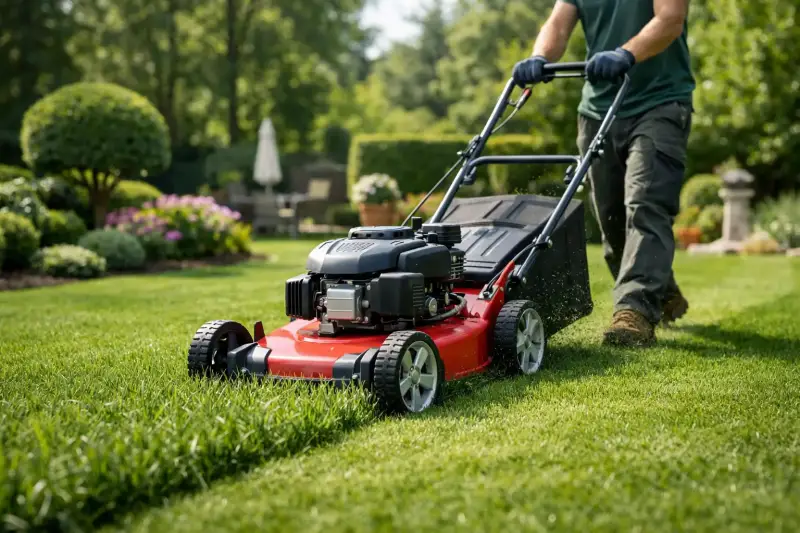
A freshly cut lawn changes the whole feel of a property. It sharpens the look of paths, borders and patios, gives children a cleaner place to play, and makes the garden feel ready for a quiet evening or weekend entertaining. Good lawn mowing is not simply about making grass shorter. Done properly, it supports healthier growth, a richer colour and the neat, cared-for finish that brings an outdoor space together.
For homeowners with [busy schedules](https://www.garden-kingpin.co.uk/blogging/3306041_garden-maintenance-for-busy-professionals), larger grounds or a lawn that has slipped behind, regular professional care removes the effort without lowering the standard. The right approach depends on the season, the grass condition and how the garden is used, but a few principles make a visible difference.
## Lawn Mowing Is About More Than a Neat Finish
Grass responds to how it is cut. Taking too much off in one visit can stress the plant, weaken the roots and leave thin, pale patches behind. Cutting too low may look tidy for a day or two, but it exposes the soil to sun and encourages weeds and moss to take hold. At the other extreme, grass left too long can become uneven, difficult to cut cleanly and prone to collapsing after rain.
The aim is a lawn that looks crisp while retaining enough leaf to feed itself. As a general rule, no more than one third of the grass height should be removed at a time. This is particularly valuable when bringing an overgrown garden back under control. A gradual reduction over several cuts is kinder to the lawn and produces a better final result than one severe trim.
A clean cut matters just as much as cutting height. Blunt mower blades tear rather than slice the grass, leaving ragged tips that soon turn brown. A well-maintained mower gives each blade a sharp finish, helping the lawn look greener and more even from the first pass.
## Choosing the Right Cutting Height
There is no single setting that suits every lawn. A formal, fine lawn close to the house can be kept shorter than a family lawn used for games, pets and regular foot traffic. Shaded areas beneath trees usually benefit from a little extra length, as do lawns facing a dry spell.
For many domestic gardens, a moderate cut is the most reliable choice. It looks neat without putting unnecessary pressure on the grass. During hot, dry weather, raising the mower height slightly helps shade the soil and retain moisture. In spring and autumn, when growth is stronger, a closer but still sensible cut can keep the lawn looking well presented.
The desired result should guide the finish. Some households want a smart, striped lawn that frames a carefully maintained garden. Others need a durable surface that stays presentable between family use and changing weather. Both can look excellent, provided the mowing plan reflects the lawn’s purpose rather than chasing a one-size-fits-all standard.
### How Often Should a Lawn Be Cut?
Growth rate, not the calendar alone, should set the mowing schedule. Grass often grows quickly through late spring and early summer, when weekly cutting may be needed to keep the surface neat and manageable. In cooler periods, mowing may be less frequent. Winter growth is usually slow, although mild wet weather can still call for an occasional tidy-up when ground conditions allow.
In Dorset, Somerset, Devon and Cornwall, changeable weather can make a rigid routine unhelpful. A warm wet spell can produce sudden growth, while a dry period can slow it right down. Regular inspection allows the mowing frequency to be adjusted before the lawn becomes untidy or stressed.
Consistency is what creates the best visual result. A lawn cut at suitable intervals develops a more even appearance, while long gaps followed by aggressive cutting often lead to visible scalping, clumps of cuttings and tired-looking grass.
## Mowing in Wet Weather: When to Wait
Mowing wet grass is rarely the best option. Damp clippings can clog the mower, gather in heavy clumps and smother the lawn beneath them. Wheels may leave tracks in soft ground, especially on sloping lawns or areas with poor drainage. More importantly, mowing on saturated soil can compact it, reducing the air and water movement that healthy roots need.
There are occasions when a light cut is possible once surface moisture has lifted, but patience generally gives a cleaner result. If the lawn is very long after several wet days, it may need a staged cut rather than an attempt to take it down to the usual height immediately. The first pass removes the excess carefully; a later visit refines the finish once the grass has recovered.
This is one reason professional lawn care is valuable. The job is not treated as a box to tick regardless of conditions. It is planned around what will give the lawn the best outcome.
## The Details That Keep a Lawn Looking Finished
The mowing itself is only part of a well-kept garden. Edges along paths, patios and borders can quickly spoil the impression of an otherwise tidy lawn. Defined edges make the grass look intentional and stop it creeping into planting areas. Where appropriate, neat striping can add a polished appearance, although lawn health should always come before decorative effects.
Clippings also need careful handling. Fine clippings from a regular cut can sometimes be left lightly on the lawn, where they break down quickly and return nutrients to the soil. Thick piles, however, should be collected. They block light, create damp patches and leave the lawn looking unfinished.
A thorough service also considers what is happening around the grass. Weeds in borders, untidy hedges, fallen leaves and neglected shrubs all affect the overall appearance of the space. Garden Kingpin approaches maintenance as a complete garden task, so the lawn sits within clean boundaries and a garden that feels properly looked after.
## When Mowing Alone Will Not Solve the Problem
A lawn can be regularly cut and still fail to look healthy. Moss, compacted ground, poor drainage, shade, bare patches and persistent weeds are signs that it needs more than a mower. Repeatedly cutting a struggling lawn shorter will not correct the cause and may make it worse.
In these cases, the next step could involve scarifying to remove moss and thatch, aerating compacted soil, [applying an appropriate feed](https://www.garden-kingpin.co.uk/blogging/3306053_lawn-fertilising-and-weed-control-that-works), improving drainage or overseeding thin areas. The right treatment depends on the problem. A lawn under heavy shade needs a different plan from one baked dry in summer, while a newly landscaped garden may need time and gentler mowing as turf establishes.
[Overgrown lawns](https://www.garden-kingpin.co.uk/blogging/3306059_overgrown-garden-clearance-service-explained) also need realistic expectations. It is possible to transform the appearance quickly, but restoring dense, even grass takes a little time and consistent care. A tidy first cut creates immediate impact; follow-up maintenance and treatment deliver the lasting improvement.
## A Simple Routine for Homeowners
If you mow your own lawn, check the grass before starting rather than automatically using the same mower setting each time. Make sure the blades are sharp, avoid cutting when the ground is waterlogged, and alternate your mowing direction from one cut to the next. This reduces wear patterns and helps prevent the grass leaning in one direction.
Keep an eye on the edges and remove heavy clippings before they settle. During dry weather, mow a little higher and avoid cutting a lawn that is already showing signs of drought stress. These small decisions protect the grass and save time spent trying to repair avoidable damage later.
For many households, though, the challenge is not knowing what to do. It is finding the time to do it every week, with the right equipment, while keeping on top of the rest of the garden. Reliable lawn mowing gives back those hours and ensures the view from the kitchen, driveway or patio remains one to be proud of.
A healthy lawn does not need constant fussing, but it does need the right care at the right moment. Whether your garden needs a regular neat cut or a considered recovery plan, steady attention will keep it looking pristine and ready to enjoy.
Add comment
Comments