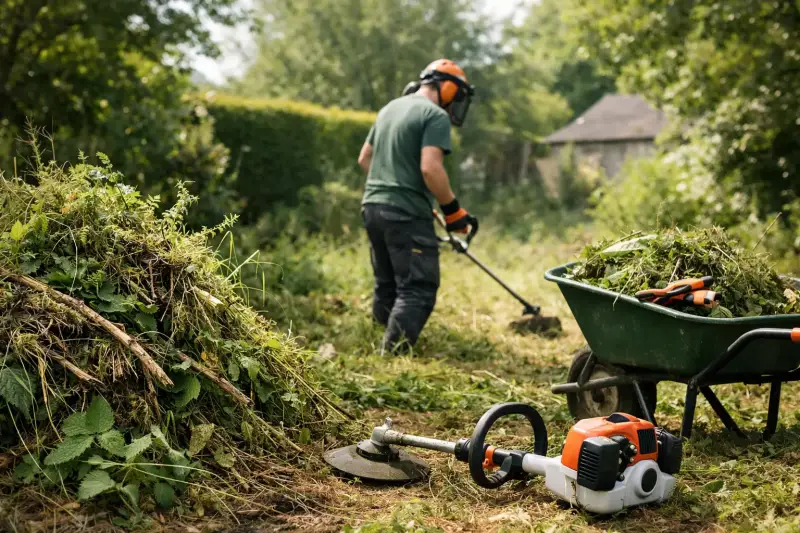
A garden can become unmanageable more quickly than most homeowners expect. A busy season at work, a house move, illness, a wet spring or simply a few missed weekends can leave brambles climbing through borders, grass knee-high and pathways disappearing beneath weeds. An **overgrown garden clearance service** gives you a clean, practical starting point again, without spending months trying to reclaim it one patch at a time.
This is not simply a matter of making a garden look tidier for a day. Done properly, clearance removes the growth that is smothering lawns and plants, reveals the condition of the space beneath it and creates a safer, more inviting garden for family life, entertaining or quiet time outdoors.
## What an overgrown garden clearance service involves
Every overgrown garden has a different story. Some need a thorough seasonal reset after a year of limited care. Others have been untouched for several years and require a more substantial restoration before any planting, lawn work or landscaping can begin.
A professional clearance usually starts by assessing the whole garden rather than attacking the most obvious problem first. Dense weeds, tangled climbers, self-seeded saplings, collapsed borders and long grass can hide useful plants, uneven ground, old fencing or garden waste. Taking a measured approach helps protect what is worth keeping while dealing decisively with what is not.
The work may include cutting back brambles and invasive growth, reducing overgrown shrubs, clearing weeds from beds and hard surfaces, mowing or strimming long grass, edging lawns, tidying hedges and removing accumulated green waste. Where appropriate, borders can be defined again and paths, patios or seating areas uncovered so the garden begins to feel like part of the home rather than a task waiting at the window.
The precise scope depends on the garden. A mature shrub may need careful pruning to encourage healthy regrowth, whereas a diseased, damaged or poorly positioned plant may be better removed. An experienced team will explain those decisions clearly before work begins.
## Why clearance is worth doing properly
It is tempting to hire a skip, buy a powerful strimmer and make a start. For a small area with light growth, that can be a sensible option. But heavily overgrown gardens bring practical challenges that are easy to underestimate.
Brambles can conceal wire, broken pots, timber, steep drops and uneven paving. Long grass can harbour litter, animal waste and discarded materials. Aggressive cutting without a plan can damage desirable shrubs, disturb nesting wildlife or leave stumps and roots ready to take over again within weeks.
A professional service brings the right equipment, safe working methods and the capacity to remove large volumes of waste. Just as importantly, it creates a finish that makes the next step possible. There is little value in cutting back a jungle if the lawn remains rough, the beds are full of roots and the waste is still piled in a corner.
For homeowners across Dorset, Somerset, Devon and Cornwall, this can be especially valuable after a damp growing season. Vigorous grass, bindweed, brambles and nettles do not wait for a convenient free weekend. Bringing the garden back under control early prevents a manageable job becoming a far larger restoration project.
### Clearance is not the same as a full makeover
Garden clearance restores order, but it does not always solve the underlying reasons a garden became difficult to manage. Poor drainage, awkward levels, tired paving, unsuitable planting and a lawn that receives too much shade can all make regular upkeep harder.
That is where a clearance can become the first stage of a bigger improvement. Once the ground is visible, it is easier to decide whether the garden needs fresh turf, repaired boundaries, new beds, a more practical patio or a layout that better suits children, pets and outdoor dining. Some gardens only need reliable maintenance after clearance; others benefit from a [complete redesign](https://www.garden-kingpin.co.uk/our-services). The right answer depends on how you want to use the space, not on forcing every garden into the same plan.
## Signs your garden is ready for professional help
Most people do not need a professional team for every weed or an untidy patch of lawn. The time to call in help is when the work has outgrown the time, tools or physical effort you can reasonably give it.
You may be at that point if access routes are blocked, brambles are spreading into neighbouring boundaries, grass is too long for a domestic mower, shrubs have lost their shape, or garden waste has built up beyond what a household collection can handle. It is also sensible to seek professional support if you have recently bought a property with a neglected garden, are preparing to sell, or want to make outdoor space usable before summer.
For older homeowners, families and busy professionals, the value is not just visual. It is the relief of knowing the hard, messy work has been handled thoroughly and safely. Your weekends are yours again, while the garden moves from a source of frustration to a space you can enjoy.
## What happens after the garden has been cleared?
The best clearance work includes a realistic conversation about what comes next. A pristine result will not stay that way without some form of follow-up, particularly during the growing season.
For many gardens, regular maintenance is enough. Routine mowing, weeding, hedge trimming, shrub care and seasonal clear-ups stop small jobs from building up. This is often the most cost-effective route once the major clearance is complete, because the garden remains manageable and presentable throughout the year.
Other gardens need targeted recovery work. A lawn may require treatment, scarifying, aeration or reseeding to regain density after being shaded by long growth. Beds may need soil improvement and fresh planting. Hedges that have been cut back hard may need time and careful ongoing trimming to fill out evenly.
If the garden is large or the existing layout no longer works, clearance can be followed by landscaping. New paths, patios, defined borders and lower-maintenance planting can reduce future workload while creating a more welcoming setting. The aim should be a garden that [looks stunning](https://www.garden-kingpin.co.uk/showcase) but also fits the way you live.
## How to prepare for a garden clearance visit
You do not need to spend days tidying before professionals arrive - that would defeat the purpose. A few simple preparations can help the work run smoothly, though.
Make sure there is clear access through a gate or side passage where possible, and let the team know about any locked gates, shared drives, ponds, fragile features or known hazards. If there are plants, ornaments or furniture you want to retain, point them out before clearance begins. Photographs of the garden when it was at its best can also be useful where you want to preserve a particular shape, border or feature.
It is worth being honest about your priorities too. Perhaps you need a safe lawn for children, a presentable frontage, room for a table and chairs, or simply clear paths and less to worry about. Those practical details help shape a result that feels valuable long after the last bag of green waste has been removed.
## Choosing a service you can trust
Look for a gardening team that treats clearance as more than rapid cutting and loading. Clear communication, an agreed scope of work, responsible waste removal and attention to the final finish all matter. You should understand what will be cut back, what will be kept, whether waste is included and whether there are any areas that need separate work afterwards.
Garden Kingpin approaches overgrown gardens with uncompromising care, from the first cut-back to the final tidy-up. The goal is not merely to make a difficult garden look less daunting. It is to reveal its potential and leave you with a clean foundation for regular care, practical improvements or a complete transformation.
A neglected garden rarely needs judgement - it needs a sensible first step. Once the growth is cleared and the space is visible again, deciding what you want from it becomes far easier.
Add comment
Comments