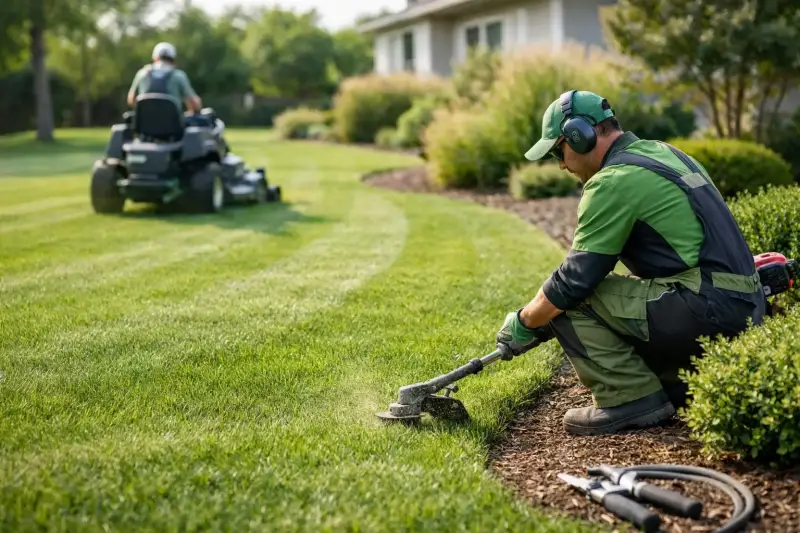
A lawn can look fine from the kitchen window yet be one hot spell, wet winter or missed mowing cycle away from becoming thin, patchy and tired. Professional lawn maintenance is about more than keeping the grass short. It is the regular, considered care that gives your garden a clean, healthy foundation and keeps it ready for family time, entertaining or simply enjoying the view.
For busy households, a well-kept lawn removes one more demanding job from the weekend. For larger or neglected gardens, it creates an immediate sense of order. The difference is not just visual. A properly maintained lawn is better able to withstand wear, recover from dry weather and resist the moss and weeds that quickly spoil a tidy space.
## What professional lawn maintenance should include
The right approach depends on the lawn itself. Its size, soil, shade, drainage, level of use and current condition all affect what it needs. A small, sunny lawn used mainly for sitting outside will need different care from a large family garden with dogs, footballs and mature trees casting shade across the grass.
At the heart of professional care is regular mowing at the right height. Cutting too low may look sharp for a few days, but it can weaken grass, expose soil and encourage weeds. Leaving it too long, on the other hand, can create uneven growth and make the next cut harder on the lawn. A reliable maintenance schedule keeps growth controlled without shocking the grass.
Edging is equally important. Crisp borders along paths, patios and flower beds make the whole garden look more finished, even where the planting is simple. It also prevents grass from spreading into beds and gives boundaries the clean, precise appearance that improves kerb appeal.
A complete service may also involve [feeding, weed control](https://www.garden-kingpin.co.uk/blogging/3306053_lawn-fertilising-and-weed-control-that-works), moss treatment, scarifying, aeration and overseeding where needed. These are not jobs to carry out automatically or all at once. They should be chosen because they address a real issue in the lawn, whether that is compacted soil, bare areas, poor colour or persistent moss.
## The detail behind a pristine lawn
A pristine lawn is usually the result of small jobs completed consistently, rather than one dramatic treatment. Grass responds to regular care. When mowing, feeding and seasonal work are timed well, the lawn develops stronger roots and a denser surface. That density matters because it leaves less room for weeds and moss to take hold.
### Mowing with the season, not the calendar
Grass growth changes with temperature and rainfall. In spring, lawns can grow quickly and may need more frequent cuts. During dry summer weather, raising the cutting height helps retain moisture and protects the crown of the grass plant. In autumn, mowing remains useful while growth continues, but the lawn should not be cut too short before colder weather arrives.
A professional gardener will also avoid mowing waterlogged ground where possible. Heavy machinery or repeated footfall on saturated soil can compact it, causing long-term drainage problems. Sometimes the best decision is to wait for better conditions. Quality maintenance is not about forcing work through regardless of the weather.
### Feeding for strength and colour
Lawn feed is often associated with an instant green-up, but its greater value lies below the surface. The right feed supports root growth and helps grass recover from use, mowing and changing weather. Spring and summer feeds generally encourage healthy green growth, while autumn treatments are designed to support roots and prepare the lawn for winter.
Too much fertiliser can be as unhelpful as too little. It can encourage soft, fast growth that needs constant cutting and may be more vulnerable to stress. This is why a tailored approach is better than applying the same product at the same rate to every lawn.
### Moss, weeds and bare patches
Moss is not simply an untidy green layer to remove. It is often a sign of an underlying issue such as shade, poor drainage, compacted soil or weak grass. Treating the moss without addressing the cause can mean it returns quickly. Aeration, improved mowing habits and selective overseeding may be part of a longer-lasting answer.
Weeds are best dealt with before they spread and set seed. A few isolated weeds can often be managed with careful spot treatment, while a lawn with widespread weed growth may need a more structured recovery plan. Where children or pets use the garden, treatment choices and timings should be discussed clearly so the garden remains practical as well as attractive.
Bare patches need similar attention. They may be caused by heavy use, shade, pet damage, drought or simply poor soil. Raking, preparing the surface and reseeding can restore them, but success depends on choosing a suitable seed mix and giving new grass time to establish. A rushed repair in the wrong weather may not hold.
## Seasonal care keeps the lawn one step ahead
The British climate asks a lot of lawns. Dorset, Somerset, Devon and Cornwall can experience mild, wet winters, windy coastal conditions and dry spells that arrive surprisingly quickly. Working with the seasons prevents minor issues from becoming expensive restoration work.
Spring is the time to assess winter damage. The lawn may benefit from a tidy-up, an early feed and attention to compacted or mossy areas. As growth strengthens, regular mowing establishes a neat, even finish.
Summer care is about balancing appearance with resilience. Lawns that are cut too closely in dry conditions can become stressed and brown. Raising the mower height, avoiding unnecessary treatments and watering sensibly where appropriate can help protect the grass. Not every brown patch is a failed lawn - many lawns naturally slow down in prolonged dry weather and recover once rain returns.
Autumn is one of the most valuable times for lawn improvement. Warm soil and cooler air provide good conditions for aeration, scarifying, feeding and overseeding. It is also the season for clearing leaves promptly. A thick layer of wet leaves blocks light and traps moisture, creating ideal conditions for disease and moss.
Winter calls for restraint. The lawn may need occasional clearing and a light cut during mild periods, but it should not be treated like a summer surface. Keeping off frosty or waterlogged grass avoids damage, while attention can turn to hedges, borders and the wider garden structure.
## When routine maintenance is not enough
There comes a point where a lawn needs more than another mow. Deep ruts, extensive weeds, poor drainage, widespread moss or large bare sections may indicate that the lawn needs renovation. This can involve removing old thatch, relieving compaction, levelling uneven areas and reseeding or returfing selected sections.
The best option depends on the condition of the lawn and how quickly you need results. Seeding is often more economical and offers a choice of grass types, but it takes time and needs protection while it establishes. Turf delivers a faster visual transformation, though preparation is still crucial and it can be the more costly choice. Neither method will solve a drainage or shade problem on its own.
For gardens that are [overgrown or underperforming](https://www.garden-kingpin.co.uk/blogging/3306059_overgrown-garden-clearance-service-explained) as a whole, lawn work may be most effective as part of a broader makeover. Reworking paths, borders, planting and seating areas can make the lawn easier to maintain and better suited to how the family actually uses the space. A smaller, healthier lawn with well-designed beds can be more enjoyable than a large area of grass that constantly struggles.
## Choosing a dependable lawn-care service
A good maintenance service should leave your garden looking cared for after every visit, not just after a one-off clear-up. That means reliable scheduling, clean edges, thoughtful mowing and an eye for what needs attention next. It also means respecting the property: leaving paths tidy, removing green waste where agreed and treating the garden as an extension of the home.
Look for a provider who takes the time to understand your priorities. You may want a formal striped finish, a hard-wearing lawn for children and pets, or simply a neat, low-effort garden that looks welcoming all year. The work plan should reflect that. Clear advice is particularly valuable when a lawn has problems, because the quickest-looking fix is not always the one that lasts.
Garden Kingpin provides uncompromising care for lawns and gardens that deserve to look their best without taking over your free time. Whether your lawn needs regular mowing and edging or a more thorough recovery plan, a [free quotation](https://www.garden-kingpin.co.uk/free-quote) can be the first practical step towards a garden you are pleased to come home to.
A healthy lawn does not need constant attention from you. It needs the right attention at the right time, leaving you free to enjoy the garden rather than spend every spare hour trying to catch up with it.
Add comment
Comments