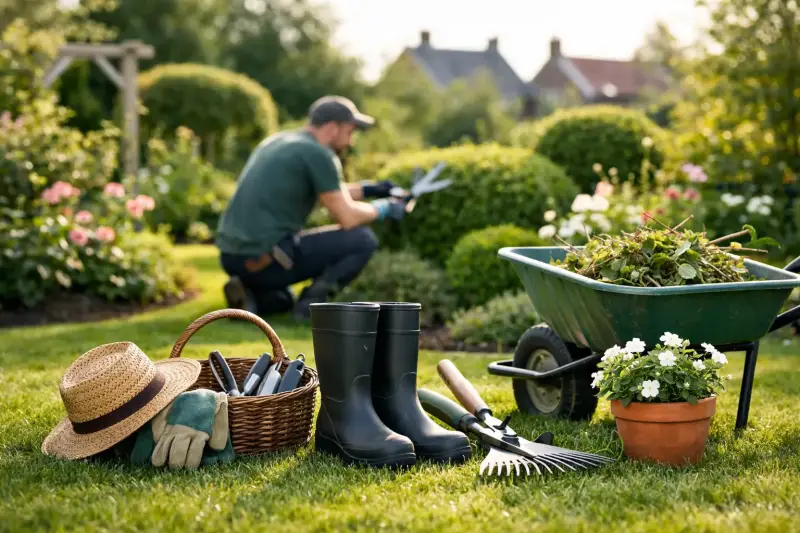
A lawn can be freshly cut on Friday and look untidy again within days when growth is strong. Borders fill quickly, hedges lose their clean lines and weeds take advantage of every spare patch of soil. Reliable garden maintenance Dorchester homeowners can depend on is not simply about reacting when the garden gets out of hand. It is about regular, considered care that keeps the whole space healthy, tidy and ready to enjoy.
For busy households, families and anyone who would rather spend a weekend relaxing than wrestling with an overgrown hedge, a planned maintenance routine makes a visible difference. It protects the investment made in your home, improves kerb appeal and gives you an outdoor space that feels welcoming rather than another job waiting to be done.
## Why regular garden maintenance matters
A well-kept garden is built through consistency. Mowing a lawn at the right height, removing weeds before they seed and trimming shrubs at the appropriate time all prevent small jobs from becoming demanding restoration work. The result is not just a neater appearance. Lawns grow thicker, plants have room to thrive and paths, patios and boundaries remain clear and cared for.
There is also a practical side to regular attention. Dense vegetation can hide damaged fencing, blocked drainage or areas of lawn that are struggling. Catching these problems early is usually simpler and more cost-effective than leaving them until they affect the wider garden.
The right frequency depends on the garden. A compact courtyard with raised beds may need occasional tidying, while a large family garden with established hedges, lawns and borders benefits from a more regular visit. Growth rates change with the weather too. A wet, mild spring may call for more frequent mowing than a dry summer, so a rigid schedule is not always the best approach.
## Garden maintenance in Dorchester through the seasons
Dorset gardens have their own demands. Coastal winds, heavy rain, dry spells and mild winters can all influence how lawns and planting perform. A seasonal plan gives each part of the garden the care it needs at the time it will have the greatest effect.
### Spring: prepare for healthy growth
Spring is when neglected areas become obvious. Winter debris, compacted lawn edges and early weeds can make an otherwise attractive garden look tired. This is the time to clear beds, cut back suitable shrubs, redefine borders and give lawns the attention needed for a strong growing season.
Lawn care often starts with mowing at a sensible height rather than cutting too short. A very close first cut can weaken grass that is only just recovering from winter. Scarifying, aerating and feeding may also be worthwhile where [moss, thatch or poor drainage](https://www.garden-kingpin.co.uk/blogging/3306053_lawn-fertilising-and-weed-control-that-works) have affected the lawn. These treatments need to suit the condition of the grass - not every lawn needs every treatment.
Early weeding is especially valuable. Removing weeds while they are small stops them competing with established plants and keeps borders looking deliberately planted rather than crowded.
### Summer: keep the garden polished
Summer maintenance is about protecting the clean, finished look that makes a garden enjoyable. Lawns need regular mowing, edges benefit from attention and hedges can be trimmed once new growth has settled. Deadheading flowering plants encourages many varieties to continue producing blooms, while careful pruning keeps shrubs from overwhelming paths, windows or neighbouring plants.
Watering requires judgement. Established planting often benefits more from a thorough soak less often than a light daily sprinkle, which can encourage shallow roots. New plants, containers and sunny borders may need closer attention in hot weather. A professional maintenance visit can spot signs of stress before plants are permanently affected.
This is also the season when patios, decking and seating areas earn their keep. Keeping surrounding beds tidy, removing encroaching growth and clearing fallen leaves or cuttings helps the outdoor space feel ready for a family meal, a quiet evening or unexpected visitors.
### Autumn: clear, protect and restore order
Autumn is not simply a season of falling leaves. It is an opportunity to prepare the garden for winter while conditions are still manageable. Leaf clearance is important, particularly on lawns and paths. A thick layer of wet leaves blocks light from grass, creates slippery surfaces and can harbour pests and disease.
Hedges, shrubs and overgrown borders can be brought back into shape where the timing is right for the plant. Perennials may be cut back, beds can be cleared and bare areas improved with compost or mulch. This helps protect soil structure, suppresses some winter weeds and gives borders a clean, cared-for appearance through the colder months.
For gardens that have become neglected over summer, autumn can be an excellent time for a [more substantial clear-up](https://www.garden-kingpin.co.uk/blogging/3306059_overgrown-garden-clearance-service-explained). Once the excess growth is removed, it is far easier to see what is worth keeping, what needs replacing and where a fresh landscaping approach could make better use of the space.
### Winter: protect the structure of the garden
A garden does not stop needing care in winter. Growth may slow, but winter exposes the structure of the landscape: boundary hedges, paths, trees, beds and lawn edges. Regular checks can identify storm damage, loose branches, blocked gutters around garden buildings and waterlogged areas that need attention.
It is also a useful time to plan improvements. If a garden has poor access, an awkward layout, tired paving or borders that never quite work, winter provides space to consider a complete makeover before the next growing season begins. Good design starts with how you want to use the garden, whether that means entertaining, space for children, low-maintenance planting or a smarter arrival at the front of the property.
## The essentials of a well-managed garden
The most effective maintenance arrangements take care of the entire picture, rather than focusing on one task in isolation. A neatly striped lawn will still look unfinished if borders are full of weeds and hedges are untidy. Equally, beautiful planting loses impact if paths are cluttered and edges are rough.
A complete visit may include lawn mowing and edging, weeding, hedge trimming, shrub care, pruning where appropriate, leaf clearance and seasonal tidying. The exact work should be shaped around your garden, its condition and how you use it. A formal front garden may need precise lines and tidy boundaries, while a wildlife-friendly family garden may benefit from a lighter touch in selected areas.
Cleanliness matters as much as the work itself. Cuttings, leaves and green waste should not be left scattered across lawns, beds or patios. Finishing properly means leaving the garden looking immediately better than when the work began.
## When routine maintenance is not enough
Sometimes a garden needs more than a regular cut and tidy. Overgrown hedges may be blocking light, lawns may be thin and mossy, or planting may have become a mixture of plants that no longer suit the space. In these situations, continuing with surface-level maintenance can keep things manageable, but it will not solve the underlying problem.
A focused restoration can reset the garden. This may involve clearing overgrowth, reshaping beds, improving soil, repairing lawn areas, replacing tired planting or creating more practical spaces for seating and entertaining. For a full transformation, bespoke landscaping can turn an underperforming plot into a stunning landscape that works for your home and lifestyle.
The best route depends on your priorities and budget. Some clients prefer to improve the garden in stages, beginning with clearance and ongoing care. Others choose to complete a redesign first, then protect the finished result with scheduled maintenance. Both approaches can work well when the plan is realistic and the work is carried out to a high standard.
## Choosing a maintenance service with high standards
When inviting someone to care for your garden, reliability is as important as horticultural knowledge. You need a team that arrives when agreed, understands the difference between a quick tidy and proper care, and treats the property with respect. Clear communication also matters, particularly when weather changes a planned visit or an issue needs your approval before work begins.
Look for a service that can respond to the garden as it changes. The ability to handle routine upkeep, seasonal clear-ups and larger landscaping work avoids the inconvenience of finding separate contractors whenever the garden needs more attention. Garden Kingpin provides that end-to-end care, from keeping lawns and borders pristine to reshaping an entire outdoor space.
[A free quotation](https://www.garden-kingpin.co.uk/free-quote) is the right place to discuss the condition of the garden, the level of maintenance required and any longer-term ambitions. It should leave you with a clear understanding of what will be done, rather than a vague promise to make the garden look better.
The most satisfying gardens are not necessarily the largest or the most elaborate. They are the ones that are cared for well enough to be used without hesitation - a clean lawn underfoot, tidy boundaries around the property and a peaceful space waiting whenever you have time to enjoy it.
Add comment
Comments