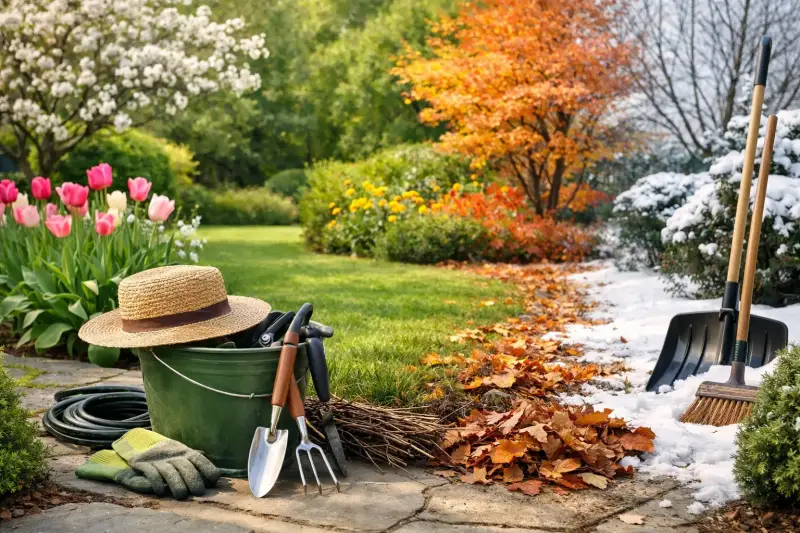
A garden rarely becomes difficult overnight. One missed mow becomes long grass, a few weeds spread through a border, and a hedge that looked fine in spring starts to take over the path by late summer. Consistent **garden maintenance** prevents those small jobs becoming an exhausting weekend project, while keeping your home looking cared for from the moment somebody arrives.
For busy households, families and homeowners who would rather enjoy their outside space than manage it, the value is simple. A well-kept garden is cleaner, healthier and more inviting throughout the year. It also gives you time back for the things that matter most.
## What good garden maintenance really involves
Maintenance is more than a quick cut of the lawn and a sweep of the patio. Every part of a garden grows, changes and needs attention at a different pace. Lawns require regular mowing and edging during the growing season; borders need weeding before unwanted plants take hold; shrubs and hedges need skilled trimming to stay healthy as well as neat.
The best results come from looking after the whole space rather than treating each task in isolation. A freshly mown lawn will not look pristine if its edges are untidy. A smartly trimmed hedge can still make a garden feel neglected if beds are full of weeds and dead foliage. Thorough care brings the elements together, so the garden looks deliberately maintained rather than merely managed.
This is particularly valuable for larger gardens, rental properties, second homes and gardens that have been left for a season or two. Starting with a clear-up can restore order quickly, then a regular programme keeps that progress in place.
## The jobs that make the biggest difference
### Lawn care for a healthier, sharper finish
A lawn often sets the standard for the entire garden. Regular mowing keeps grass dense and even, while clean edging creates the crisp lines that make paths, patios and borders stand out. In dry weather, cutting too short can stress the grass, so the right mowing height matters as much as the frequency of the visit.
Lawn care may also involve feeding, weed control, moss treatment, aeration and seasonal renovation. The right treatment depends on the lawn's condition, soil, shade and how heavily it is used. A family lawn that sees football, pets and garden furniture needs a practical, resilient approach. A front lawn intended to enhance kerb appeal may benefit from closer attention to finish and definition.
### Weeding and border care before problems spread
Weeds compete with established plants for moisture, light and nutrients. Leaving them until they are obvious usually means more work, more disruption to the border and a less polished result. Regular hand weeding and careful bed maintenance keep planting schemes visible and give shrubs and perennials room to thrive.
Border care also includes removing faded flowers where appropriate, cutting back tired growth, clearing fallen leaves and checking whether plants are becoming overcrowded. These smaller tasks protect the overall shape of the garden. They are often the difference between a border that feels calm and colourful and one that looks untidy despite having good plants in it.
### Hedge trimming and shrub management
Hedges frame a garden, provide privacy and soften boundaries, but they need regular attention to remain an asset. A hedge left too long can become thin at the base, cast excessive shade and reduce usable space. Timely trimming encourages a denser appearance and keeps paths, gates and driveways clear.
Shrubs need a more considered approach than simply cutting everything back at once. Some flower on old wood, while others respond best to pruning at a particular time of year. The aim is to maintain a natural, balanced shape, remove damaged growth and encourage healthy flowering without sacrificing the character of the plant.
For established boundaries or fast-growing hedges, professional equipment and safe working practices make a noticeable difference. A clean, even finish is kinder to the plant and far more pleasing to look at.
### Seasonal clear-ups that reset the garden
Every season leaves its mark. Spring brings rapid growth and an immediate need for mowing, weeding and preparation. Summer calls for regular cutting, hedge work and keeping borders presentable when the garden is being used most. Autumn is the time for leaf clearance, cutting back and preparing lawns and beds for wetter conditions. Winter offers an opportunity to tidy, prune suitable plants and plan improvements before growth begins again.
A seasonal clear-up is especially useful after a busy period, a house move or a spell of poor weather. It removes the visual clutter that can make a garden feel overwhelming and gives a clear view of what needs to be retained, reshaped or improved.
## How often should a garden be maintained?
There is no single schedule that suits every property. During peak growing months, many lawns need mowing every one to two weeks to remain tidy. Slow-growing areas, shaded gardens and low-maintenance planting can often be visited less frequently. Formal gardens, front gardens and homes with prominent roadside boundaries may need closer attention because small changes are more visible.
The most effective arrangement is usually a regular visit tailored to the garden rather than a series of emergency call-outs. Routine care catches issues early, spreads the workload across the year and avoids the higher cost and disruption of recovering a heavily overgrown space.
That said, one-off work has its place. If a garden has become difficult to manage, a thorough restoration visit can deal with excessive growth, weeds, neglected borders and accumulated green waste. Once the garden is back under control, an ongoing maintenance plan protects the investment.
## When regular care is not enough
Sometimes maintenance reveals that the garden itself is no longer working for the household. Perhaps the lawn is poorly shaped, borders are hard to manage, drainage is causing problems, or an unused area could become a better patio, seating space or family-friendly play area.
This is where maintenance and [landscaping work](https://www.garden-kingpin.co.uk/our-services) well together. Keeping a garden tidy helps identify its potential, while a considered redesign can reduce future upkeep and make the space more enjoyable. Replacing an awkward, high-maintenance area with practical paving or simplified planting may be the right choice for a busy family. For another homeowner, restoring beds, improving the lawn and adding a new feature may create the [stunning landscape](https://www.garden-kingpin.co.uk/showcase) they have been missing.
The right answer depends on how you want to use the space. A garden designed for entertaining has different priorities from one intended for quiet relaxation, pets or growing vegetables. Good advice should reflect that, rather than applying the same solution to every plot.
## Choosing a reliable garden maintenance service
A dependable service should take ownership of the details. That means arriving as agreed, working neatly, using suitable tools and leaving the garden looking better at the end of each visit. It also means noticing what needs attention next, whether that is a thinning lawn, a hedge due for a trim or a border that would benefit from a seasonal clear-up.
Ask for a clear outline of what is included, how often visits are recommended and whether green waste is removed. It is also worth discussing access, pets, gates, parking and any plants or features that need particular care. These practical details help work run smoothly and ensure your garden receives the uncompromising care it deserves.
Garden Kingpin provides domestic maintenance and larger garden improvements across Dorset, Somerset and the surrounding South West, with a focus on clean finishes, healthy growth and gardens that are ready to enjoy.
A garden does not need to be perfect to be rewarding. It simply needs regular attention, a sensible plan and the right level of care for the way you live. Start with the areas that affect your daily view most, then keep the work steady - a tidy, welcoming outdoor space is much easier to maintain than rescue.
Add comment
Comments