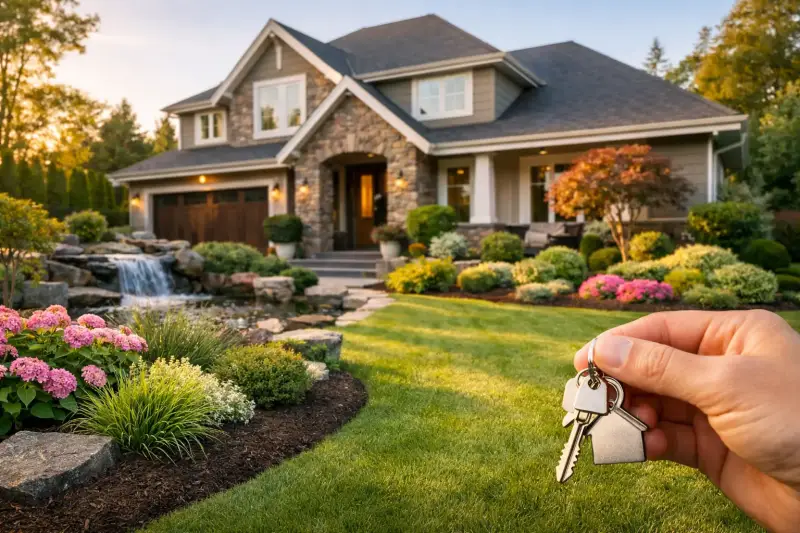
A buyer may make up their mind about a property before they have reached the front door. An overgrown hedge, patchy lawn or tired patio can suggest years of work ahead, while a clean, well-kept garden makes the whole home feel cared for. So, can landscaping increase house value? In many cases, yes - but the greatest return comes from making the garden attractive, practical and easy to maintain rather than simply spending the most money.
For homeowners across Dorset, Somerset, Devon and Cornwall, the garden is often a proper part of daily life. It is where children play, friends gather, washing dries and quiet evenings are spent. A well-planned outdoor space can therefore make a home more desirable, while a neglected one can give buyers a reason to reduce their offer.
## Can landscaping increase house value in practice?
Landscaping can increase a home's sale price, but it more reliably improves its saleability. That distinction matters. A stunning landscape will not always add back every pound spent on construction, planting and materials. It can, however, help a property stand out, encourage more viewings and reduce the feeling that a buyer has inherited a demanding project.
Buyers tend to respond to gardens that look immediately usable. They want to see a level lawn for family life, a tidy terrace for entertaining, clear routes around the property and boundaries that provide privacy without making the space feel closed in. These features support the lifestyle a buyer imagines for themselves.
The effect also depends on the property and its market. A modest house with a huge, costly-to-maintain formal garden may not appeal to every buyer. Equally, a premium family home with an uneven lawn, broken fencing and no seating area may fall short of expectations. The most valuable landscaping is usually in proportion to the house, the plot and the likely buyer.
## Start with the details buyers notice first
Kerb appeal is not a buzzword when it comes to selling a home. It is the first visible signal of how a property has been maintained. A neat front garden can make the approach feel welcoming and give estate-agent photographs a stronger first impression.
Focus on clean edges, healthy grass, weed-free beds and shrubs that are shaped rather than allowed to cover windows or paths. Repair leaning gates, tired fencing and damaged steps. Keep driveways and entrances clear, with planting that frames the property rather than hides it.
This does not require an elaborate front garden. In fact, simple planting, tidy boundaries and a smart, accessible route to the door are often more effective than a crowded display. The aim is pristine and cared for, not fussy.
## Make the back garden feel like an extra room
The back garden often influences value because it affects how large and flexible a home feels. A clear seating area can present the garden as an outdoor dining room. A defined lawn can show where children can play. Well-positioned planting can create privacy and soften neighbouring boundaries.
A patio or deck should be properly installed, level and large enough for its intended use. A small paved square that only fits two chairs may not transform the way a buyer sees the garden. On the other hand, an oversized hard surface can make a garden feel harsh and reduce the green space many families want.
Good landscaping balances structure and planting. Paths should lead somewhere useful, such as a shed, side gate or seating area. Retaining edges should be secure. Drainage must be considered before new paving goes down, particularly on heavier soils or exposed sites where standing water can quickly spoil a smart finish.
### Create zones without overcomplicating the design
Even a compact garden can work harder when it has a clear layout. Separating a dining spot from a play area, a lawn from productive beds, or a sunny seating corner from practical storage makes the space easier to understand at a glance.
The key is not to turn every garden into a show garden. Buyers need to picture their own furniture, pots and routines in the space. Straightforward, well-finished areas with room to adapt usually have broader appeal than highly personal designs.
## Tackle maintenance concerns before they become objections
A buyer may love mature planting, but not if it looks likely to need weeks of clearing, cutting back and disposal. Overgrown gardens often reduce perceived value because people see cost, effort and uncertainty. They may worry about hidden damage to fences, sheds, patios and drains.
Bringing an overgrown garden back under control is often one of the best improvements a homeowner can make before marketing a property. This means cutting back unruly shrubs, removing weeds, redefining beds, mowing and treating the lawn where needed, clearing waste and making every access route visible again.
Mature trees and hedges need a considered approach. They can add privacy, character and a feeling of establishment, all of which buyers value. But branches should not block light, press against buildings or overwhelm a small plot. Skilled pruning retains the benefits while making the garden feel safer and more manageable.
Regular maintenance matters just as much as one major tidy-up. A lawn that is mown, edged and fed at the right time looks healthier in photographs and during viewings. Freshly trimmed hedges, clean borders and cleared patios show uncompromising care across the entire property.
## Spend where buyers can see and use the benefit
Not every landscaping project delivers the same value. Before spending, consider whether the work solves a visible problem or creates a practical improvement that will still appeal to someone with different tastes.
The following tend to be sensible priorities when a garden needs attention:
- repairing or upgrading fences, gates, paths and patios that are unsafe, worn or visibly damaged;
- restoring a thin, muddy or weed-heavy lawn so the garden has a healthy green centrepiece;
- creating a usable seating area with good access from the house;
- improving drainage and levelling where waterlogging or awkward slopes limit use;
- adding simple, well-maintained planting for colour, privacy and year-round structure.
By contrast, expensive features can be more personal. A pond, large water feature, elaborate outdoor kitchen or highly specialist planting scheme may be perfect for your lifestyle, but will not suit every buyer. That does not mean avoiding character altogether. It means making sure the essentials are in excellent order first.
## Choose materials that suit the property and local conditions
Quality is visible in the finish. Crooked edging, loose paving, cheap fencing and rushed planting can make a garden look like another job for the next owner. Strong groundwork, neat joins and materials that complement the house create confidence.
In coastal and rural parts of the South West, weather exposure is worth considering. Salt-laden air, wind, heavy rain and shade can affect timber, paving, lawns and plants. Selecting durable materials and suitable planting helps the garden keep its appearance rather than looking tired after a single season.
Low-maintenance does not have to mean lifeless. It can mean thoughtful choices: well-spaced shrubs, hardy perennials, manageable hedges, robust lawn areas and beds with enough structure to look good between visits. This is appealing to busy professionals, families and older homeowners alike because it offers beauty without an endless list of jobs.
## Think about timing if you plan to sell
Gardens photograph best when they are actively maintained, not when they have just been rescued from neglect. If possible, begin the work before the property goes on the market. This allows grass to recover, new planting to settle and any construction work to be completed without disruption during viewings.
Spring and early summer naturally show a garden at its most colourful, but a well-designed space should still look tidy in autumn and winter. Evergreen structure, clean hard surfaces, clipped boundaries and good lighting around entrances can make a meaningful difference outside the peak growing season.
For a larger makeover, a professional plan can prevent money being wasted on changes that do not improve the final result. Garden Kingpin can assess what the space needs, from [routine lawn care](https://www.garden-kingpin.co.uk/our-services) and seasonal clear-ups to a complete [landscape transformation](https://www.garden-kingpin.co.uk/showcase) tailored to the property and the way it is used.
A valuable garden is not necessarily the most expensive one. It is the one that makes a buyer feel they can enjoy their new home from day one, with space to relax, entertain and live well - without facing a weekend of clearing brambles first.
Add comment
Comments