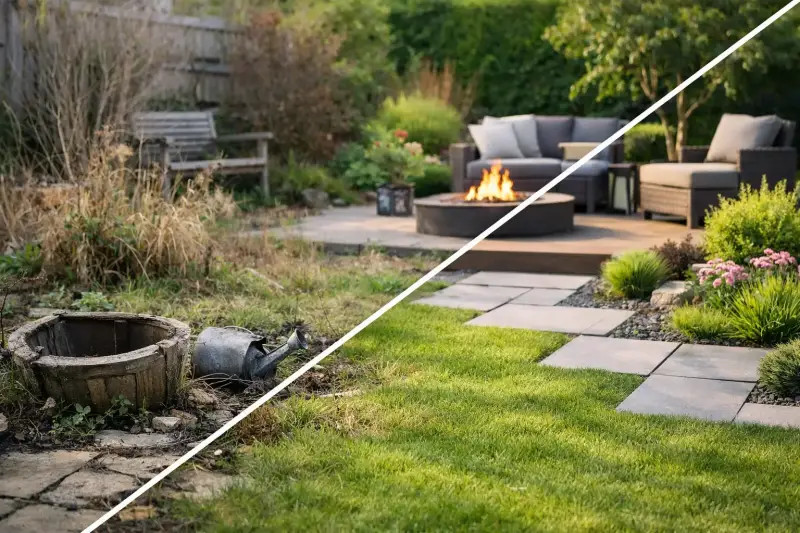
A garden can become tired long before it becomes completely overgrown. Patchy grass, tired paving, shrubs that have outgrown their space and beds full of persistent weeds can make even a well-loved home feel less welcoming. Knowing how to renovate tired gardens starts with seeing the whole space clearly, then deciding which elements deserve careful attention and which need replacing.
The aim is not simply to make everything look neat for a week or two. A successful renovation creates a clean, practical and attractive garden that suits the way you live, and is manageable enough to stay that way.
## How to renovate tired gardens with a proper plan
It is tempting to begin by cutting everything back, buying new plants and hoping the garden comes together. That can produce a quick visual lift, but it often wastes money if the underlying layout, drainage or access is wrong. Walk through the garden first and assess it as you would a room in the house.
Look at where water gathers after rain, which areas receive full sun or deep shade, and whether paths, steps and patio areas are safe underfoot. Notice the views from inside too. A lawn may look acceptable from the bottom of the garden but appear worn and uneven from the kitchen window every day.
Be clear about how the space needs to work. A family may need a durable lawn, room for children to play and a patio large enough for outdoor meals. Another household may prefer low-maintenance planting, a peaceful seating area and clear paths that are easy to navigate. These priorities should lead the renovation, rather than a fashionable planting scheme that does not fit the garden or your routine.
It also helps to divide the work into stages. Essential repairs and clearance come first, followed by surfaces and structure, then lawn work and planting. This prevents new plants being damaged while a fence is replaced or old paving is lifted.
## Clear the garden without stripping away its potential
A thorough clear-up reveals what you are working with. Remove accumulated debris, dead growth, broken edging, unwanted self-seeded saplings and [weeds that have spread](https://www.garden-kingpin.co.uk/blogging/3311968_weed-removal-service-for-gardens-that-lasts) through beds or hard surfaces. Overgrown borders often contain healthy shrubs or established perennials worth retaining, even if they need skilled pruning or relocating.
Do not assume every mature plant is a problem. An established camellia, rose or ornamental tree can give a renovated garden instant character that takes years to recreate. Equally, a dense, poorly positioned conifer hedge may be blocking light, reducing usable space and making the garden feel smaller. The right choice depends on its condition, its position and what you want the garden to become.
Clearance should be careful, not rushed. Check shrubs and hedges for nesting birds before major cutting work, particularly during the nesting season. If ivy, brambles or vigorous weeds have taken hold, removing the visible top growth is only the first step. Roots need dealing with properly or they will soon reclaim the area.
Once the site is clear, you can see the true state of fences, walls, paving, soil and lawn. This is usually the point at which a tired garden starts to feel full of possibility rather than another weekend job.
## Put structure before decorative details
The hard-working parts of a garden make the biggest difference to how it feels and how easily it can be maintained. Paths should lead naturally to sheds, gates, seating areas and washing lines. Patio edges should be sound, level and designed to drain water away from the house. Boundaries need to be secure and tidy, whether that means repairing a fence, renewing trellis or bringing a hedge back into shape.
A small change in layout can transform the use of a garden. Widening a cramped patio may create space for a proper table and chairs. A simple path can stop feet wearing a muddy route through the lawn. Raised beds can add definition, improve access and make planting easier to manage.
There are sensible trade-offs here. More paving can reduce mowing and provide a cleaner entertaining space, but too much hard surface can make a garden feel stark and can increase drainage issues. Generous planting softens the space and supports wildlife, yet tightly packed beds require more ongoing attention. The best balance is one that delivers the look you want without creating a level of upkeep you will resent.
If water sits on the lawn or against the patio after rainfall, deal with it before installing new turf or surfaces. Improving levels, adding suitable drainage or choosing more permeable materials can protect the garden and the property over the long term.
## Restore the lawn or start again
A lawn is often the largest visual feature in a domestic garden, so its condition has a major effect on kerb appeal and the view from the home. Moss, bare patches, compacted soil and weeds are common in tired lawns, especially where there is shade, heavy use or poor drainage.
A lawn with a sound base can often be brought back through [scarifying, aeration](https://www.garden-kingpin.co.uk/blogging/3318363_when-does-lawn-scarification-make-a-difference), feeding, overseeding and a consistent mowing routine. These measures improve air and water movement through the soil, reduce thatch and encourage thicker grass growth. It takes patience, but it is usually more economical than replacing the whole lawn.
Starting again is more appropriate where the ground is badly uneven, drainage is poor, weeds dominate or the lawn has been repeatedly damaged. The soil must be prepared properly before laying turf or sowing seed. Simply placing fresh turf over compacted, uneven ground may look pristine initially, but the problems beneath will soon show again.
Think about the lawn's purpose. A formal, striped finish requires regular mowing and feeding, while a family lawn benefits from tougher grass and realistic expectations during wet weather. In deep shade, a lawn may always struggle. A planted border, shaded seating area or gravel feature could be a better long-term solution.
## Choose planting that earns its place
New planting is where the garden starts to feel personal, but it should work with Dorset, Somerset, Devon or Cornwall conditions rather than against them. Coastal exposure, heavy clay, free-draining soil, shade and drought-prone spots all call for different choices. A beautiful plant in the wrong position becomes an ongoing expense and disappointment.
Build planting around a few reliable structural shrubs, then add perennials, grasses and seasonal colour for movement and interest. Repeating selected plants through beds creates a calmer, more considered result than buying one of everything. Include evergreen interest where possible so the garden does not look empty in winter.
Keep beds large enough to make an impact and easy enough to maintain. Narrow strips beside a fence can be awkward to weed and water, whereas a deeper border gives plants room to establish and creates a fuller view. Fresh edging, a weed-suppressing mulch and improved soil will make new planting look better and reduce the amount of routine work needed.
Containers can be useful near a front door or patio, particularly where you want immediate colour. They do, however, need regular watering and feeding in warmer months. If time is limited, use them as accents rather than relying on them for the main garden display.
## Make maintenance part of the renovation
The most attractive garden design will lose its finish if maintenance is treated as an afterthought. Before the project is complete, consider how you will mow around beds, reach hedges safely, water newly planted areas and keep paving free from weeds. Good access and sensible planting distances save a great deal of effort later.
A regular programme of lawn mowing, edging, weeding, hedge trimming, shrub care and seasonal clear-ups protects the investment made in a garden makeover. It also means small issues are dealt with early, before a neglected border or lawn repair turns into a larger restoration project.
For larger or [heavily overgrown gardens](https://www.garden-kingpin.co.uk/blogging/3306059_overgrown-garden-clearance-service-explained), professional help can make the process more efficient and far less physically demanding. Garden Kingpin can assess the condition of the space, carry out thorough clearance and landscaping work, and provide the ongoing care needed to keep the finished garden looking immaculate.
A tired garden does not need to stay a source of frustration. With the right order of work and a design that respects how you actually use the space, it can become a clean, healthy outdoor setting that gives you more time to relax, entertain and enjoy being at home.
Add comment
Comments