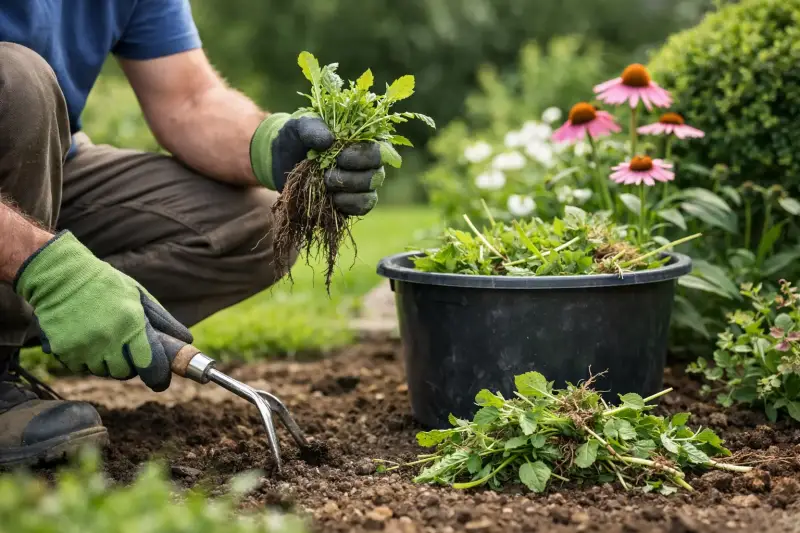
A weed removal service for gardens is about far more than making a border look tidy for a few days. When weeds take hold in lawns, beds, patios and paths, they compete with the plants you want to keep, spoil the finish of the garden and quickly make outdoor jobs feel never-ending. Professional, consistent care removes the pressure from your weekends and keeps the whole space looking properly looked after.
For busy households, larger gardens and properties that have become a little overgrown, the difference is immediate. Clear planting beds show off the colour and shape of your shrubs. Clean edges make a lawn appear sharper. Paths, patios and driveways feel more welcoming when unwanted growth is dealt with rather than left to spread.
## Why weeds need more than a quick pull
A few weeds can seem harmless, particularly in spring when everything is growing quickly. The problem is that many species spread through seed, creeping roots or both. Pulling off the visible top growth may improve appearances temporarily, but it does not always remove the root system that allows the plant to return.
Weeds also take water, nutrients and light away from lawns, flowers and shrubs. In a newly planted border, that competition can slow down the plants you have invested in before they have had a chance to establish. In a lawn, broad-leaved weeds can create thin, uneven patches that make mowing and lawn care less effective.
Patios and paths present a different issue. Growth between paving joints holds moisture and debris, makes a hard surface look neglected and can gradually loosen pointing or edging. Moss, algae and weeds can also make shaded areas slippery. A proper removal programme considers the surface as well as the growth, so the result is clean without causing unnecessary damage.
## What a professional weed removal service for gardens includes
The right approach depends on the type of garden, the time of year and the extent of the problem. A small, well-kept garden may only need regular hand weeding as part of routine maintenance. A neglected plot with dense beds, invasive growth or weed-filled hardstanding may need a more thorough [initial clearance](https://www.garden-kingpin.co.uk/blogging/3306059_overgrown-garden-clearance-service-explained) before it can be maintained easily.
Garden Kingpin begins by looking at where the weeds are growing and what they are competing with. This matters because a weed in a lawn requires a different approach from one growing through decorative gravel, at the base of a hedge or between paving slabs. The aim is not simply to strip a garden bare. It is to remove unwanted growth while protecting the plants, surfaces and features that give the garden its character.
In planting beds, hand weeding is often the best way to work around flowers, shrubs and young plants with care. Roots are removed where possible, and the soil can be lightly cultivated to reveal missed growth and improve the overall finish. Once beds are clear, fresh mulch can help retain moisture, give borders a crisp appearance and reduce the number of weed seeds that reach the soil.
For lawns, weed control should sit alongside mowing, feeding and general [lawn treatment](https://www.garden-kingpin.co.uk/blogging/3306053_lawn-fertilising-and-weed-control-that-works). Removing weeds without addressing compacted soil, poor grass coverage or weak edges can leave the lawn looking patchy. A healthier, denser lawn naturally gives weeds fewer opportunities to establish.
On patios, paths and driveways, the focus is on clearing joints and edges thoroughly. Depending on the surface and the level of growth, this may include manual removal, careful treatment where appropriate, and a follow-up visit to deal with regrowth. The best method is the one that achieves a clean result without harming nearby plants or compromising the finish of the paving.
## The difference between clearance and ongoing control
A one-off weed clearance can transform a garden that has been left unattended, but it is rarely the end of the job. Seeds can arrive on the wind, in bird droppings, through compost and from neighbouring ground. Perennial weeds may also reappear from roots that were too deep or widespread to remove in a single visit.
This is why regular maintenance is often the better value choice. Short, planned visits prevent weeds from seeding, keep beds presentable and mean that no single gardening job becomes overwhelming. It also gives a gardener the chance to spot other issues early, such as lawn damage, diseased plants, overgrown shrubs or hedge growth that is beginning to affect light and access.
The ideal frequency depends on your garden. Formal front gardens and entertaining spaces often benefit from more frequent attention during the growing season, when every detail is visible. Larger, naturalistic gardens may need a different rhythm, with focused work in borders and around paths while established areas are allowed to grow more freely. There is no benefit in applying a one-size-fits-all schedule to every property.
## When weed removal becomes a garden restoration job
Sometimes weeds are a symptom rather than the main problem. If borders have disappeared beneath brambles, bindweed, nettles or self-seeded saplings, a simple maintenance visit may not be enough. The garden may need an initial clearance, pruning, lawn recovery and a plan for replanting before it becomes an enjoyable outdoor space again.
This is particularly common after a house move, a long period of poor weather, illness, a busy family season or simply years without regular help. It can be tempting to tackle everything at once, but that often leads to rushed decisions and a garden that is cleared without a clear purpose. A considered restoration keeps worthwhile plants where possible, removes what is no longer serving the space and creates a practical foundation for future upkeep.
For some homeowners, this is also the right time to rethink how the garden works. A tired lawn might become a smarter seating area. Overcrowded beds may be simplified into lower-maintenance planting. Gravel areas, edging, drainage and pathways can all be improved so that the garden is easier to care for and more enjoyable to use.
## Keeping weeds away for longer
No garden can be completely weed-free forever, and anyone promising that result is setting an unrealistic expectation. What professional care can do is keep weeds under control before they dominate the space, while improving the conditions that help your chosen plants thrive.
A few practical measures make a noticeable difference. Dense planting leaves less bare soil for weeds to colonise. Mulch helps suppress new seedlings and keeps borders looking finished. Regular mowing strengthens the appearance of a lawn, while clean edges stop grass and weeds creeping into beds and paths. Clearing fallen leaves and debris from hard surfaces reduces the damp pockets where unwanted growth often starts.
Chemical treatments are not automatically the answer. In some situations, a targeted treatment may be suitable and effective; in others, manual removal and better garden management are the safer choice, especially around children, pets, ponds, productive planting and sensitive ornamental plants. The important thing is using the right method, in the right place, with care rather than relying on a blanket approach.
## A garden that gives you your time back
Weeding is physically demanding, repetitive and easy to postpone when work, family commitments and everyday life take over. By the time it gets moved to the top of the list, a quick hour outside can become a full weekend of digging, clearing and disposal.
A reliable gardening service changes that. Your lawn, borders, hedges and hard surfaces are kept to a consistent standard, so you can use the garden rather than constantly catching up with it. For homeowners across Dorset, Somerset, Devon and Cornwall, that can mean a neater entrance, safer paths, healthier planting and an outdoor space ready for quiet evenings, family time or guests.
If your garden is beginning to look crowded, tired or difficult to manage, arranging a [free quote](https://www.garden-kingpin.co.uk/free-quote) is a practical first step. A clear plan for weed removal and ongoing care can turn the job from a recurring frustration into one less thing to think about - while your garden stays pristine enough to enjoy whenever you step outside.
Add comment
Comments