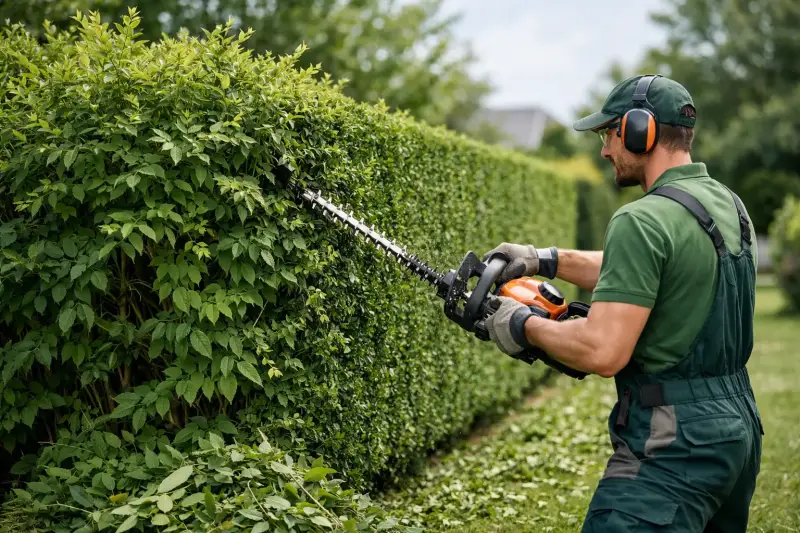
A hedge that has been left for a season or two rarely needs a quick pass with trimmers. It may be blocking light, spilling across paths, hiding windows or making an otherwise cared-for garden feel neglected. Professional hedge trimming for overgrown hedges brings structure back to the space, but the best result comes from knowing how much to remove, when to cut and when a gradual restoration is the wiser choice.
For homeowners, the difference is immediate. Clean, well-shaped boundaries improve kerb appeal, make lawns and flower beds look more defined, and give the whole garden a calmer, more spacious feel. More importantly, careful work supports healthier growth rather than simply making a problem hedge smaller for a few weeks.
## When hedge trimming for overgrown hedges needs more than a quick cut
Overgrown hedges often look untidy because their outer growth has become long and uneven. However, the real issue may sit deeper inside. Dense foliage can prevent light and air from reaching the centre of the plant, leaving bare branches, dead material and weak growth beneath a thick green surface.
Cutting heavily without a plan can expose those bare areas overnight. Some hedges recover well from firm pruning, while others do not produce new shoots from old wood. Leylandii and many other conifers are the classic example: cut back beyond the green growth and the brown interior may remain permanently visible. A drastic cut can therefore turn a tall, unruly screen into a patchy boundary that is far harder to live with.
This is why the approach depends on the hedge itself. Privet, yew, hornbeam and many deciduous hedges can often be renovated successfully. Laurel is vigorous and generally forgiving, although its large leaves benefit from thoughtful cutting rather than a rushed, shredded finish. Conifer hedges need a more cautious reduction, often completed over more than one visit to retain a green, attractive face.
A professional assessment considers the variety, age, height, condition and purpose of the hedge. A boundary that provides privacy from a neighbouring property calls for a different approach from a low front-garden hedge that has simply lost its crisp shape.
## Start with a realistic restoration plan
The temptation with an overgrown hedge is to take it down to the desired size in one day. Sometimes that is appropriate, but it is not always the route to a pristine result. A phased reduction can be the better investment, particularly where a hedge has become too wide as well as too tall.
The first visit may remove dead, damaged and crossing branches, reduce the sides enough to regain paths and garden space, and bring the top down only to a level the plant can support. Further trimming then refines the shape as fresh growth develops. This protects the hedge’s appearance while steadily restoring a manageable size.
A good shape matters just as much as the cut itself. Most formal hedges should be fractionally wider at the base than at the top. This subtle taper allows light to reach the lower foliage, helping prevent the thin, bare bottom that makes an established hedge look tired. Straight lines and level tops also need more care than they appear to. Uneven cutting is especially noticeable along a driveway, front boundary or patio.
For very mature hedges, the honest answer may be that renovation will take time or that replacement is the more reliable long-term solution. Removing a failing hedge and replanting with the right species can create a healthier, better-proportioned boundary, but it means accepting a period with less privacy. It is a decision best made around the garden’s needs, rather than cutting blindly in the hope of an instant cure.
## Timing protects the hedge and the wildlife around it
Hedges do not follow one universal trimming calendar. Fast-growing formal hedges may need two or three light cuts during the growing season to keep their lines neat. More relaxed flowering hedges need timing that respects their flowering period, otherwise next year’s display may be reduced.
Heavy renovation is usually best planned outside periods of hard frost, drought and intense heat, when plants are already under stress. Late winter can be suitable for certain species, but every hedge should be checked carefully for active bird nests before work begins. Wild birds, their nests and eggs are protected, so work must be delayed if an active nest is present.
The condition of the weather matters on the day as well. Freshly cut foliage is more vulnerable in extreme conditions, and wet, slippery ground makes working safely around taller hedges more difficult. A considered schedule delivers a cleaner finish and gives the hedge its best chance to respond well.
## The work behind a clean finish
A tidy hedge is not just about the visible cutting. Overgrown growth usually produces a surprising volume of clippings, including woody branches that cannot simply be left in a corner of the garden. The work should include collecting and removing the waste, clearing paths and lawns, and leaving the area clean enough to enjoy straight away.
Access also needs thought. Tall hedges beside fences, sheds, conservatories or narrow side passages require the right equipment and a careful working method. Reaching for the highest branches from an unstable ladder is not a sensible solution. Skilled teams use suitable tools and safe access equipment to achieve consistent lines without damaging nearby plants, garden features or property.
There is also the question of what sits beneath the hedge. Thick leaf litter, brambles and self-seeded saplings can build up at the base, especially in neglected gardens. [Clearing this material](https://www.garden-kingpin.co.uk/blogging/3306059_overgrown-garden-clearance-service-explained) makes the boundary look sharper and can reveal where the hedge has spread into borders or lawn edges. In some cases, a light feed, watering during dry spells and a mulch around the base will help recovery after significant pruning.
## Keep it manageable after the first big cut
Once an overgrown hedge has been restored, regular maintenance is far easier than repeating a major reduction every few years. Light, timely trimming encourages dense growth and maintains the intended shape without putting the plant under unnecessary strain.
The ideal frequency depends on the species and the look you want. A formal privet or leylandii boundary may need attention through the growing season, while native mixed hedging can be managed less frequently for a softer, more natural appearance. The key is not allowing new shoots to become so long that a routine trim becomes another restoration project.
It is also worth watching for warning signs between visits. Yellowing foliage, dead sections, fungal growth, pest damage or a sudden loss of vigour may point to a wider issue than simple overgrowth. Acting early can preserve a hedge that would otherwise become thin, unhealthy or expensive to replace.
## A better boundary changes the whole garden
An overgrown hedge can make a garden feel smaller and more demanding than it really is. Once it is reduced, shaped and cleared properly, lawns appear larger, borders receive more light and outdoor seating areas feel more inviting. That visual transformation is particularly valuable when you want to enjoy the garden with family, entertain friends or present your home at its best.
Garden Kingpin provides thorough hedge restoration and [ongoing garden maintenance](https://www.garden-kingpin.co.uk/our-services) for homeowners across Dorset, Somerset and Devon. Every garden is different, so the right job begins with a clear look at what the hedge needs now and how it should be managed in the seasons ahead.
A well-kept hedge should frame your garden, not take it over. With the right level of care, even a long-neglected boundary can become a clean, healthy feature that gives you back space, light and time to enjoy the rest of your garden.
Add comment
Comments